

What is the installation process of a plush circular knitting machine?
As a reputable supplier of plush circular knitting machines, I am often asked about the installation process of these sophisticated pieces of equipment. Installing a plush circular knitting machine is a multi - step procedure that requires careful planning, technical expertise, and strict adherence to safety standards. In this blog, I will walk you through the entire installation process to ensure that you can set up your machine efficiently and safely.
Pre - installation Preparations
Before initiating the installation of the plush circular knitting machine, several crucial pre - installation preparations must be carried out. These preparations are fundamental to ensure a smooth and successful installation process.
Site Selection and Preparation
The choice of the installation site is of utmost importance. The area where the machine will be placed should be spacious enough to accommodate the machine and allow for easy access for maintenance and operation. A well - ventilated environment is essential to prevent the accumulation of heat and fumes generated during the machine's operation. The floor must be level and strong enough to support the weight of the machine. Uneven floors can cause the machine to vibrate excessively, which may lead to premature wear and tear of components and affect the quality of the knitted products.
Power Supply and Utilities
Ensure that the power supply at the installation site meets the machine's requirements. Check the voltage, frequency, and phase of the electrical supply. It is advisable to have a dedicated electrical circuit for the knitting machine to avoid power fluctuations and potential electrical hazards. Additionally, make sure that there is an adequate supply of water and compressed air if the machine requires them for its operation.
Equipment Inspection
Upon receiving the plush circular knitting machine, conduct a thorough inspection of all components. Check for any signs of damage during transit, such as dents, scratches, or loose parts. Compare the received components with the packing list to ensure that all parts are present. If any damage or missing parts are found, contact the supplier immediately for assistance.
Installation Steps
Unloading and Positioning
Use appropriate lifting equipment, such as a forklift or crane, to unload the machine from the transportation vehicle. Ensure that the lifting points are properly identified and used to avoid any damage to the machine. Carefully position the machine in the pre - selected installation area, aligning it according to the layout plan. Make sure that there is sufficient clearance around the machine for easy movement and maintenance.
Assembly of Components
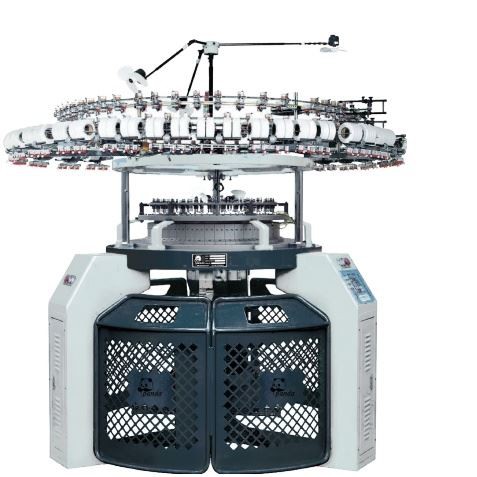
The plush circular knitting machine usually comes in several parts that need to be assembled. Follow the detailed assembly instructions provided by the manufacturer. Start by assembling the main frame of the machine, ensuring that all bolts and nuts are tightened to the specified torque. Then, install the knitting mechanism, including the needles, sinkers, and cam systems. Pay close attention to the correct alignment and installation of these components to ensure the proper functioning of the machine.
Next, install the yarn feeding system. This includes the yarn creels, tensioners, and feeders. Make sure that the yarn paths are clear and free from any obstructions. The yarn feeding system should be adjusted to ensure a consistent and even supply of yarn to the knitting mechanism.
The control panel is another critical component to be installed. Connect all the electrical wires and cables according to the wiring diagram. Ensure that all connections are secure and properly insulated to prevent electrical short - circuits.
Alignment and Calibration
After the assembly of components, it is necessary to perform alignment and calibration procedures. Use precision measuring tools to align the knitting cylinder, needles, and sinkers. The alignment of these components is crucial for producing high - quality knitted fabrics. Incorrect alignment can result in uneven stitches, fabric defects, and reduced productivity.
Calibrate the machine's settings, such as the stitch length, tension, and speed. These settings should be adjusted according to the type of plush fabric to be produced. Refer to the machine's operating manual for the recommended calibration values and procedures.
Testing and Commissioning
Once the installation, assembly, alignment, and calibration are complete, it is time to conduct a series of tests on the machine. Start with a dry - run test without yarn to check the mechanical movement of the machine. Listen for any abnormal noises or vibrations during the dry - run. If any issues are detected, stop the machine immediately and troubleshoot the problem.
After a successful dry - run, perform a test run with yarn. Start with a small amount of yarn and gradually increase the production speed. Monitor the quality of the knitted fabric during the test run. Check for any defects, such as holes, uneven stitches, or color variations. Make any necessary adjustments to the machine's settings to improve the fabric quality.
If the machine passes all the tests and the fabric quality meets the requirements, the installation process is considered complete. The machine is now ready for full - scale production.
Related Products and Their Links
In addition to the plush circular knitting machine, we also offer a range of related products that can enhance your production capabilities. For instance, our Velour Plush Knitting Machine is designed to produce high - quality velour plush fabrics. It features advanced knitting technology and precise control systems, ensuring excellent fabric quality and productivity.
Our Terry Circular Knitting Machine is another great option for those who want to produce terry towels and other terry products. It is equipped with state - of - the - art features that allow for efficient and flexible production.
If you are looking for a machine to cut and process terry fabrics, our Automatic Padding Terry Cut Machine is the ideal choice. It can accurately cut terry fabrics with high precision and speed, improving your production efficiency.

Contact for Purchase and Negotiation
If you are interested in our plush circular knitting machines or any of our related products, we encourage you to contact us for further information and purchase negotiation. Our experienced sales team is ready to assist you in finding the most suitable machine for your production needs. We can provide detailed product specifications, pricing information, and after - sales service support.
References
- Manufacturer's Installation Manual for Plush Circular Knitting Machines
- Industry Standards for Textile Machinery Installation and Operation


